Experience the Life without Glasses or Contact Lens with safe, painless LASIK Treatment at Peazon
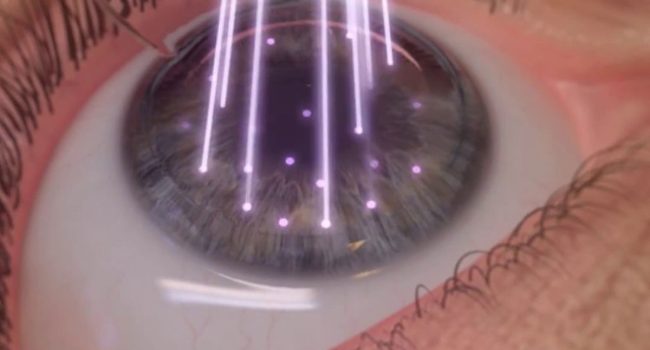
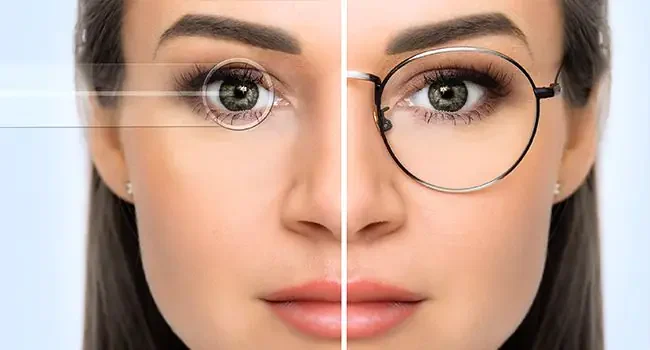
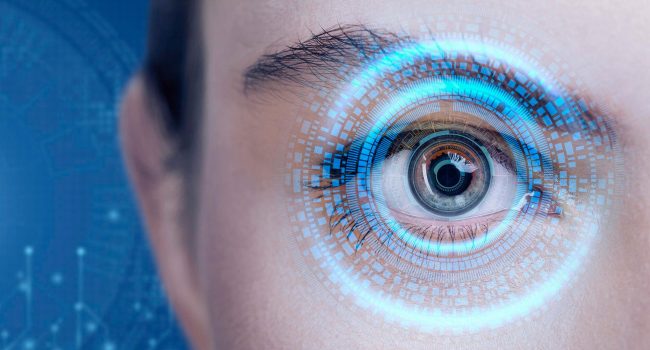
LASIK Eye Surgery is a safe and effective laser vision correction procedure that helps reduce dependence on glasses and contact lenses. By reshaping the cornea using advanced laser technology, LASIK Eye Surgery can correct nearsightedness, farsightedness, and astigmatism, helping patients achieve clearer vision and greater freedom in their daily lives.

Yes, it’s FDA approved & safe.
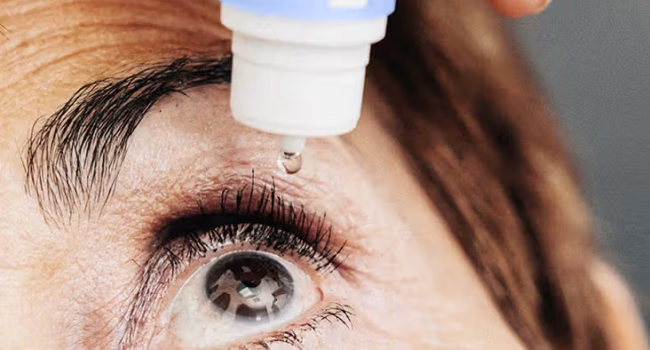
No, it’s painless due to numbing drops.
Most patients recover within 1-2 days.
Book your free eye check-up and take the first step toward clear vision.
LASIK is a laser procedure that reshapes the cornea, the clear front surface of your eye, so light focuses properly on the retina. It can correct nearsightedness, farsightedness and astigmatism, and many people end up needing glasses or contact lenses much less, or not at all.
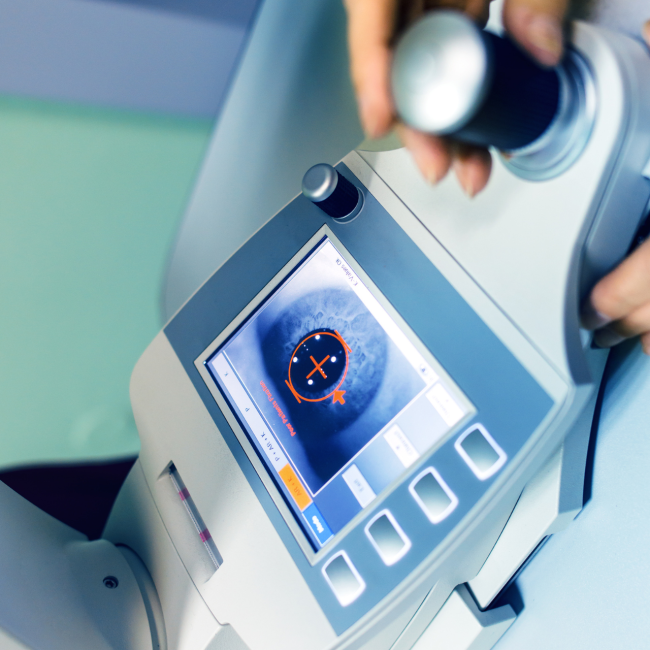
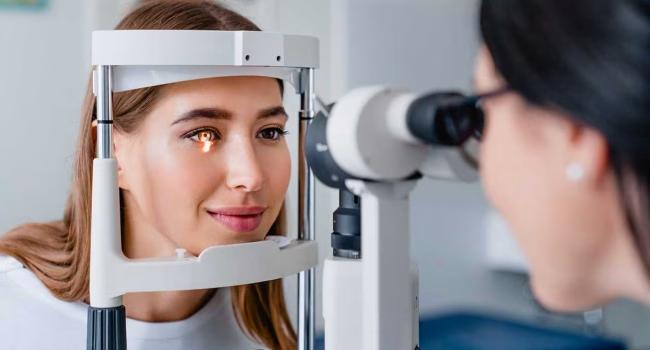
Your doctor first examines your eyes and checks that you’re suitable. On the day, numbing drops are put in, and the laser reshapes the cornea according to your prescription. The laser part itself takes only a few minutes per eye, and most people go home the same day.
For well-selected patients, LASIK is a widely performed and well-established procedure. Like any surgery, it carries risks, which is why a thorough screening beforehand is so important. Your surgeon should go through the possible side effects with you before you decide.
Not during the procedure. Numbing drops keep your eyes comfortable, so most people feel only light pressure. Afterwards you may notice a gritty or watery feeling, light sensitivity or mild irritation for a day or so. Your doctor will give you drops to manage this.
Many people see clearly within a day or two and can return to desk work fairly quickly. Full healing takes longer, and your vision can keep fine-tuning over the following weeks. You’ll have follow-up visits, and you’ll be asked to avoid rubbing your eyes and to protect them from dust and water for a while.
The most common ones are dry eye, glare and halos around lights at night. These usually settle over weeks or months. Less commonly, some people need a touch-up procedure or continue to have symptoms. Serious complications are rare, but your surgeon should talk you through them in detail.
LASIK is usually not advised if your prescription is still changing, you have keratoconus (a condition where the cornea thins and bulges) or very thin corneas, or you have severe dry eye. It’s also postponed if you have an active eye infection, are pregnant or breastfeeding, or have an uncontrolled health condition such as poorly managed diabetes. If you’re not suitable, there are other options, such as implantable lenses.
Blade-free LASIK uses a laser instead of a handheld blade to create the thin corneal flap, then a second laser to reshape the cornea. Peazons offers 100% blade-free LASIK. Your doctor can explain which technology is suited to your eyes.
The cost depends on your prescription, the technology used and the surgeon’s experience, and it’s usually quoted per eye or for both. The best way to get an accurate figure is a consultation, where you can ask exactly what’s included, such as tests, follow-up visits and enhancement procedures if needed. Be wary of quotes that sound unusually cheap without explaining what they cover.
Many people don’t need glasses for daily life afterwards, but that’s not guaranteed. A small residual prescription can remain, and nearly everyone develops reading difficulty (presbyopia) in their 40s, which LASIK doesn’t prevent. Your doctor can give you a realistic idea of what to expect.
The corneal reshaping is permanent, but your eyes can still change with age. Reading glasses may become necessary later, and conditions like cataracts can develop regardless of LASIK. Results last longest when your prescription was stable before surgery.
Peason Center for Ophthalmology provides expert Eye Care, advanced diagnostics, and treatments for vision problems.
Hyderabad